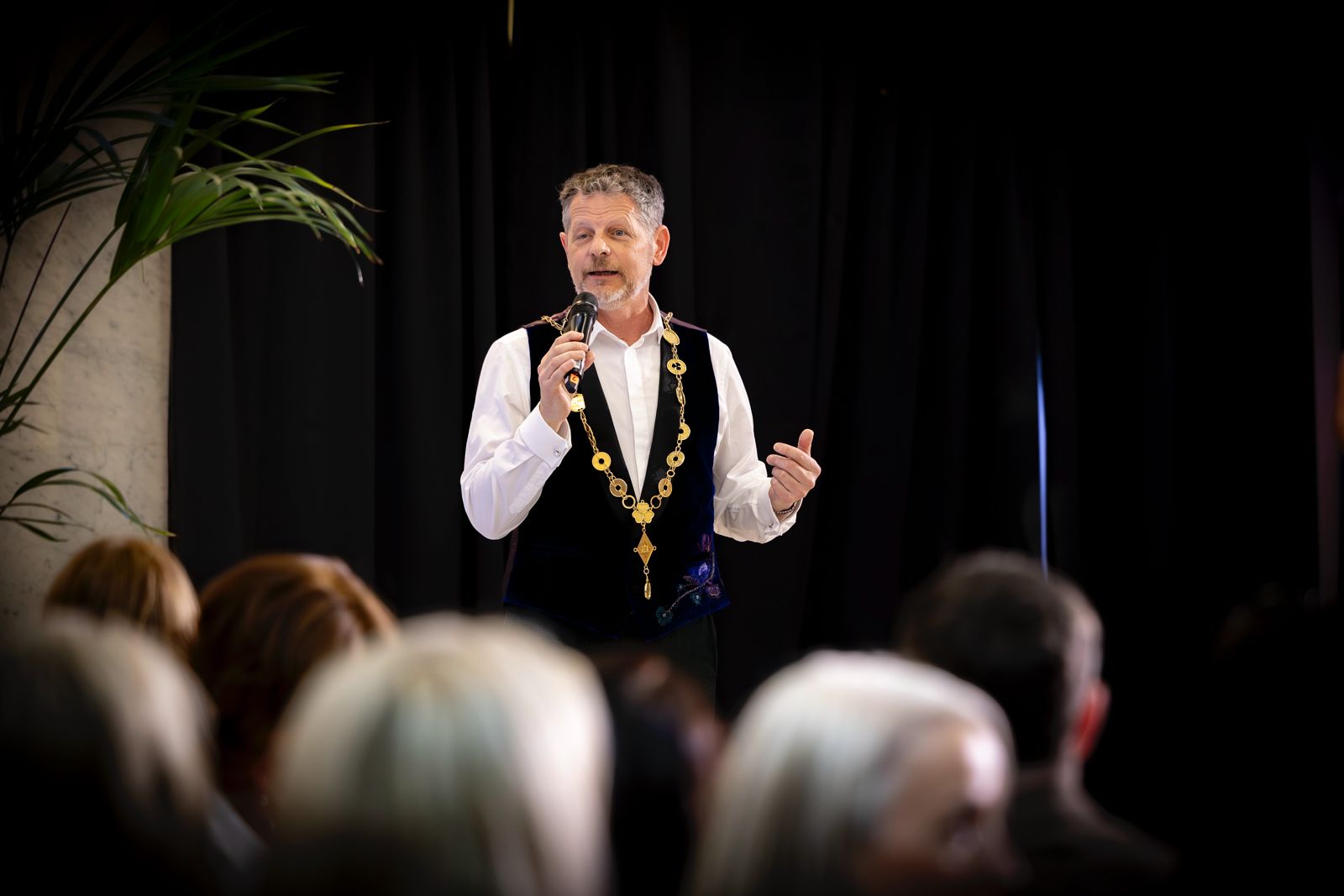
This week’s blog is a bit of musing about why I chose as a mayoral priority to reinforce Limerick’s role in Ireland’s fashion industry — and how much progress has already being made.
Last week, in an all too rare trip to the cinema to round out a great but tiring Riverfest weekend, Damien and I went to see The Devil Wears Prada 2. There right before my eyes, I could see part of the future of Limerick fashion: new and experienced creatives working in an industry full of excitement, glamour, creativity, entrepreneurship and not a little intrigue.
And across our city, something as exciting is happening.
A creative ecosystem that has existed quietly for decades is beginning to truly connect, gain confidence, and step into the spotlight. Designers, students, educators, craftspeople, stylists, cultural institutions, entrepreneurs, and international partners are beginning to pull in the same direction.
And increasingly, young creative people in Limerick believe they may no longer have to leave the city to build their future in fashion and design.
That matters enormously.
Because fashion today is not simply about clothing. It is about creativity, identity, craftsmanship, confidence, culture, enterprise, tourism, sustainability, and jobs. It is one of the great global industries of our time.
And increasingly, Limerick has all the ingredients required to carve out a distinctive place within it.
A Week That Showed the Momentum Building
It was also the end of an exciting and motivating week where many of the projects we have been driving from the Mayor’s Office seem to be genuinely landing.
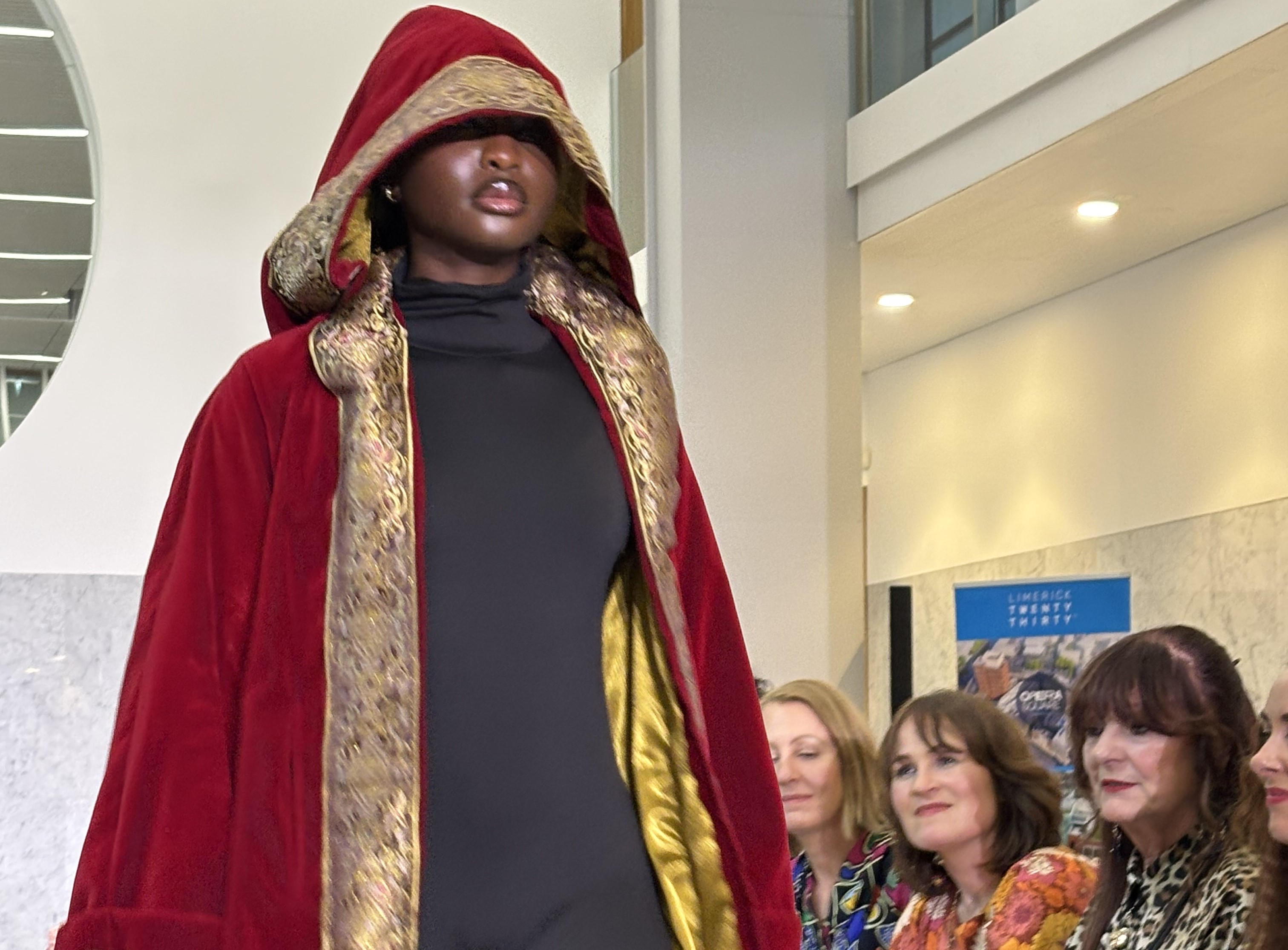
FashionFest in Limerick — which I first attended in 2024 while still on the campaign trail — became a sell-out showcase of the strength of Limerick, Kerry and Austin's fashion talent.
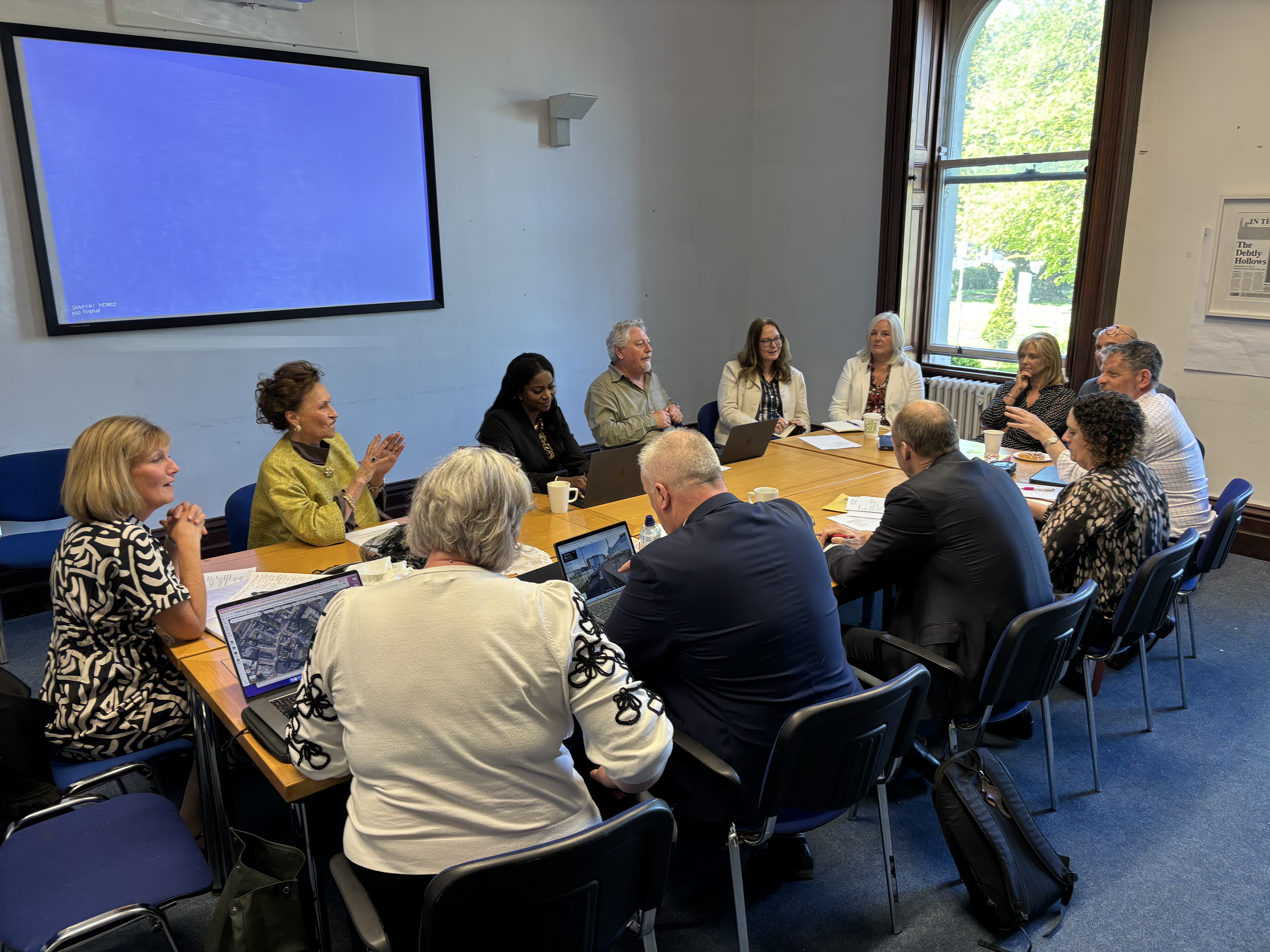
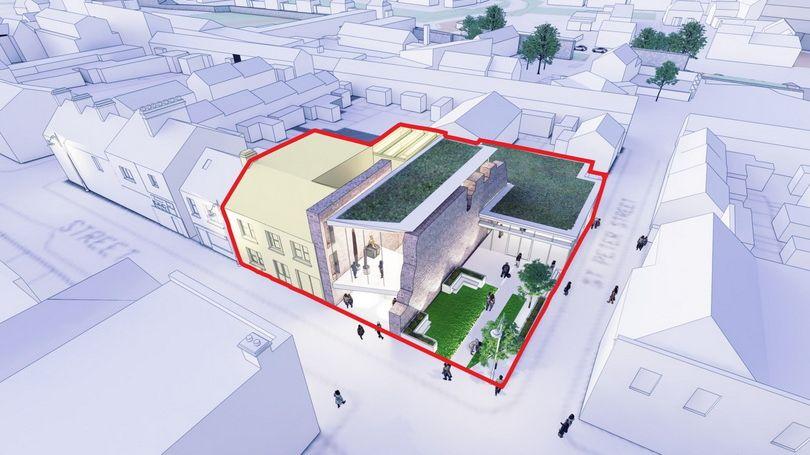
Earlier in the week, a steering group meeting for our new Fashion Incubator project worked on detailing the needs of the building in advance of hiring external architects to help design it. With an internal LCCC architect now assigned to the project and over €200,000 of mayoral funding allocated this year alone for design work, the rubber is now hitting the road.
Exciting times indeed.
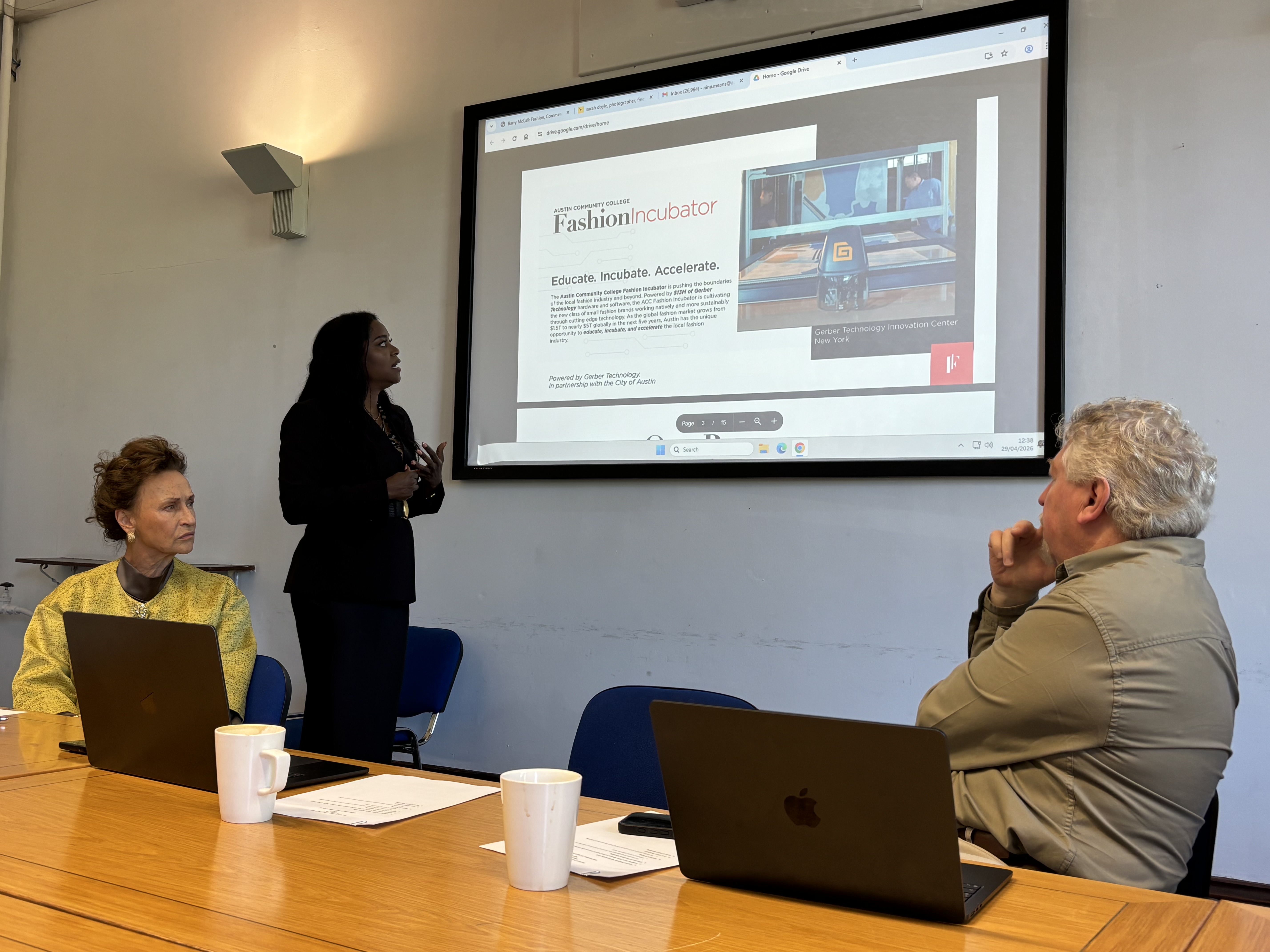
Over the same three days, the hugely talented Nina Means, Director of the Austin Fashion Incubator visited Limerick to share her wisdom, enthusiasm and practical experience with our Limerick team and emerging designers.
And to crown it all, Jim Cahill, the Mayor of New Brunswick whom I met last September 2025 on a trip to New Brunswick — another of Limerick’s sister cities — arrived into town to visit Limerick and have our teams find more ways for collaboration and we discovered further opportunities through Rutgers University’s business in fashion programme.
That is a remarkable amount of momentum for one week.
Today, as I often say in speeches:
“Limerick is Fashion” — just as two hundred years ago, “Limerick was Clothing.”
We are moving the value added chain and what an important time to be doing so.
Fashion — A Global Industry Looking for New Creative Cities
Because fashion today is one of the largest creative industries in the world. Estimates place the global fashion sector at well over €2 trillion annually when retail, luxury goods, textiles, manufacturing, media, branding, beauty, and associated creative services are taken together.
But perhaps the most interesting story is where growth and innovation are increasingly happening.
The future of fashion is no longer shaped only in Paris, Milan, London, or New York. Increasingly, smaller and more agile cities are carving out distinctive identities around sustainability, heritage craft, digital media, creative collaboration, and design innovation.
Cities such as Austin have demonstrated how universities, music, film, technology, fashion, and urban culture can reinforce one another to create globally recognised creative ecosystems.
What matters today is not size alone.
It is confidence. Connectivity. Talent pipelines. International relationships. Authenticity. And the willingness to back creative people.
That matters enormously for Limerick.
Because many of the ingredients required for a successful creative city are already here:
- an internationally respected art and design school,
- a strong cultural identity,
- a walkable historic core,
- affordable scale,
- growing international links,
- a thriving festival culture,
- and increasingly, a willingness from the Mayor’s Office to treat creative industries not as side projects — but as serious economic strategy.
That is why, during my election campaign, when local leaders from the industry approached me and asked for support, I readily pledged it.
I believed then — and believe even more strongly now — that fashion could become one of the defining sectors in Limerick’s next chapter.
My Six Building Blocks of “Limerick is Fashion"
Over the next three years — and hopefully well beyond — my ambition is to use my office to help drive six interconnected foundations for the future of fashion and creative enterprise in Limerick:
- Growing LSAD and creative talent
- Building the Fashion Incubator
- Creating international partnerships
- Developing a creative quarter in the historic core
- Connecting fashion with film and the wider creative industries
- Reconnecting with Limerick’s design and craft heritage
None of these ideas stand alone.
Each reinforces the others.
That is how ecosystems are built.
1 Growing LSAD and Creative Talent
At the centre of this momentum is LSAD — one of Europe’s great creative institutions and a school with an international reputation far beyond the size of our city.
This year marks another important milestone with the return of the LSAD Fashion Show after a nine-year hiatus.
That return feels symbolic.
Not because fashion disappeared from Limerick — it never did — but because the city is beginning once again to celebrate it publicly, confidently and ambitiously.
At the same time, Riverfest’s FashionFest has entered its third successful year at the Gardens International and is rapidly becoming one of the standout cultural events of the festival calendar.
The energy around FashionFest this year was unmistakable.
Students, designers, agencies, educators, photographers, stylists, retailers and international collaborators all coming together in one beautiful space. One genuinely could have been in any of the great fashion cities of the world.
But what impressed me most was not simply the quality.
It was the collaboration and mutual support.
Industries grow through networks. Through visibility. Through confidence. Through people beginning to understand that they are part of something bigger than themselves individually.
And that confidence is now beginning to spread.
Much credit is due not only to the teaching staff at LSAD, but also to people such as Celia Holman Lee and the wider Holman Lee Agency whose support for emerging talent over decades helped sustain fashion culture in Limerick even during quieter years.
Under new LSAD Dean Antony Caleshu there is also growing ambition not simply to maintain LSAD’s reputation, but to deepen its physical and cultural integration with the city itself.
That matters enormously.
Because successful cities increasingly compete not only through traditional industry, but through their ability to attract and retain talent. Creative people increasingly choose places that feel distinctive, walkable, collaborative, culturally alive and internationally connected.
That is part of what we are trying to build in Limerick.
2 Building the Fashion Incubator
This is why the Fashion Incubator project matters so much.
And perhaps it is also one of the clearest examples yet of why and how a directly elected mayor can make a difference.
When I made fashion and creative industries a priority during the election campaign, I was the only candidate speaking about the sector in these terms.
The easier political route would have been to avoid risk entirely.
Instead, I believed Limerick needed ambition.
I believed creative industries and especially our emerging young talent deserved serious backing.
And I believed our historic core — especially around King’s Island, Mary Street and Nicholas Street — could become the perfect home to a new creative quarter for the city.
That vision was embedded directly into the mayoral programme: the ambition to build a creative quarter under the bells of St Mary’s Cathedral.
Not everyone agreed.
There was political opposition to locating the Fashion Incubator at the publicly owned former Garda Station on Mary Street. The site had previously been proposed for social housing but left in an awful state of repair over that time. The costs would be greater but I felt that our responsibilities to a historic building we ourselves in Limerick had designated a protected structure and the greater dividend in societal terms of a successful project here rather than in anther neighbourhood outweighed the extra cost.
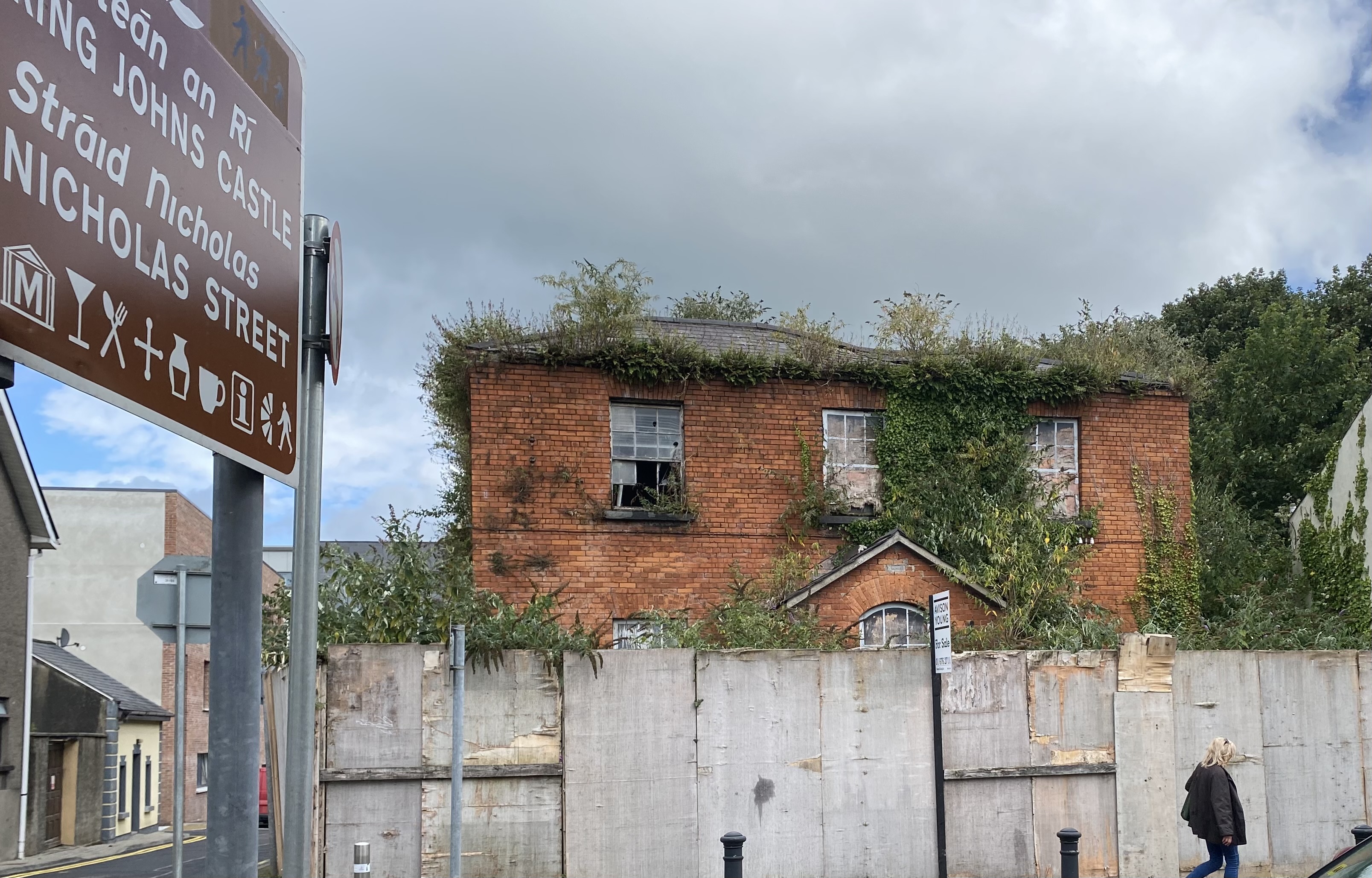
It also opened up the opportunity for a permanent home for our Limerick Lace collection right in the heart of Limerick in the area where so many of its creators had historically lived.
Even within parts of the fashion sector itself, there was understandable nervousness. Some suggested returning to older proposals centred elsewhere in the city, like around Roches Street. There were fears that locating a fashion project within what remains a socially deprived but architecturally rich part of the city might be harder to deliver.
But successful cities are rarely transformed by choosing only the safest option.
Sometimes leadership means holding a vision long enough for others to begin seeing its potential too.
The Fashion Incubator is not simply about providing desks or studio space.
It is about creating an environment where collaboration becomes easier, where designers learn from one another, where ideas are shared, where successes are celebrated collectively, and where young businesses gain the support structures they often lack in their early years. Also, where ambition and hopes for the future can be shared beyond the walls of the building itself
It is also about providing the right supports and training to help local SMEs scale.
It is about giving Limerick-based designers access to facilities and specialist equipment that many emerging creatives could never afford individually — shared resources that can help small businesses become more professional, more innovative and more internationally competitive.
And increasingly, it will become a place for international collaboration too.
A place where designers from Austin, Brooklyn, New Brunswick and other cities in the EU and elsewhere can spend time working alongside Limerick creatives — while our own designers gain opportunities to showcase their work internationally.
Today, momentum is building rapidly.
The Fashion Incubator is now moving into design stage.
An internal architect has been assigned.
Mayoral funding has been allocated.
And the vision is becoming real.
3 Building International Partnerships
One of the most important functions of a modern directly elected mayor is city to city diplomacy.
Regional cities no longer succeed by thinking locally alone.
They succeed by building international relationships, opening doors for local people, and creating networks that connect talent, investment, ideas and opportunity.
That is exactly what we are now beginning to do.
Last year, I visited Austin to sign a historic sister city relationship and already it is producing tangible creative and educational partnerships.
This year’s FashionFest included collaboration with the Austin Community College Fashion Incubator led by Nina Means, bringing Texan and Limerick talent together.
At the same time, Limerick designers have now showcased work in Austin while Texan creatives are increasingly engaging directly with Limerick.
Recent engagement with Brooklyn Borough President, Antonio Reynoso in New York City opened up further collaboration with the Brooklyn Fashion Incubator and opportunities for Limerick designers and LSAD students to showcase internationally.
Those opportunities are already becoming real.
Last December, Limerick designers and students travelled to New York. This past week, Limerick designed are being showcased in Austin’s ATXFW, the 4th largest fashion week concept in the United States. Through these growing partnerships and began opening doors that would have been difficult to access otherwise.

That is exactly the kind of bridge-building Limerick should be doing.
A confident regional city should think globally while remaining rooted in its own identity.
4 Building a Creative Quarter in the Historic Core
What is emerging now is not simply a fashion project though.
It is the beginning of an interconnected creative district stretching from LSAD towards King John’s Castle through some of the oldest streets in Limerick.
A place where education, design, enterprise, heritage, tourism and creativity reinforce one another.
That vision is already becoming visible.
At one end, will sit the planned transformation of the historic Laundry Building (recently granted planning by Limerick City and County Council) into a new design and research hub for TUS and LSAD.
Moving through Mary Street, the Fashion Incubator will create space for designers, mentoring, collaboration and enterprise development.
Across the Street, plans for the George’s Quay campus expansion further strengthen the educational ecosystem with a new research facility linking the Fashion Incubator to the riverfront through Fanning’s Castle.
And further along Nicholas Street, the Forge project — which I was happy to select and supported strongly in seeking almost €7 million of EU Thrive funding — will help restore and reactivate one of Limerick’s most historic urban corners as a place of creativity and enterprise once again.
At the same time, we are progressing new pedestrianisation and public realm concepts for Nicholas Street and directing significant mayoral funding towards design and regeneration work in the area.
These are not isolated capital projects.
They are connected pieces of a much larger vision.
Together, they form the early foundations of a creative corridor which will run through the historic heart of the city.
A magnet for students, designers, artists, filmmakers, entrepreneurs and visitors who will encounter one another daily.
A place where heritage buildings become future-facing creative spaces.
A place where Limerick’s oldest streets help shape its newest economy.
5 Connecting Fashion with Film and the Wider Creative Economy
Importantly, though, we must acknowledge that fashion does not exist in isolation.
The world’s most successful creative cities build ecosystems where fashion, film, music, photography, gaming, architecture, digital media and performance all reinforce one another.
That too is beginning to happen in Limerick.
The growth of the film industry around Troy Studios and wider Film in Limerick initiatives is helping create exactly the kind of interconnected creative environment that modern talent is drawn towards.
Film production requires costume design, textiles, photography, lighting, set design, makeup artistry, digital editing, visual storytelling and creative direction — all areas that overlap naturally with fashion and design.
Creative graduates increasingly move fluidly between these sectors.
And Limerick now has the opportunity to support that entire pipeline locally.
Recent productions have showcased the depth of local creative capability. Projects such as Once Upon a Time in a Cinema, produced largely with local talent, demonstrated again that Limerick possesses not just creativity — but production capability.
Historical productions, science fiction projects and streaming-era productions all require sophisticated costume and design ecosystems.
That matters for fashion.
Because when a city develops expertise in costume, textiles, visual storytelling, photography and creative direction, it strengthens the wider design economy too.
The restoration of cultural spaces such as the Royal Cinema and the continued growth of music, festivals and visual arts further reinforce that momentum.
Creative people are drawn to places where creativity already exists.
That is how ecosystems grow.
6 Reconnecting With Limerick’s Design Heritage
What excites me most, however, is that this is no longer just about isolated events.
We are reconnecting our future with our heritage.
Limerick has always had a story to tell in fashion and craftsmanship. From the world-famous tradition of Limerick Lace to the industrial heritage of Tait’s clothing factory, creativity and skilled making have long been part of the city’s DNA.
The current Our, Óir, Ore exhibition at The Hunt Museum showcasing artefacts some 4,000 years old found in Limerick reminds us that artistry, adornment and design have deep roots here stretching back thousands of years.
Local leaders such as Susan Frawley and others have helped preserve our Limerick Lace tradition and reinterpret those traditions for modern audiences.
At the same time, designers such as Aoife McNamara, Pellador, Ber McNamara, Marion Murphy Cooney and Stephen Lynch Bridal to name a few are proving that internationally recognised sustainable fashion can emerge from Limerick and compete globally.
Even the Mayor’s waistcoats from Mary O’Sullvan and Gregor Pituch and Hong Zhang that I have personally commissioned for civic use have become an opportunity to showcase local creativity and craftsmanship.
Small symbols perhaps.
But important ones and an opportunity to my role to showcase Limerick’s emerging young talent.
Because cities communicate confidence through culture. Through design. Through visual identity. Through celebrating their own talent.
And increasingly, Limerick is beginning to do that again.
A City Beginning to Believe in Itself Again
What excites me is that these are no longer isolated sparks of creativity.
The ecosystem is beginning to connect.
Education, heritage, enterprise, international partnerships, festivals, tourism, sustainability and urban regeneration are beginning to reinforce one another.
That is when a sector stops being a hobby or a side story and starts becoming part of the economic identity of a city.
And what makes this moment particularly exciting is that it feels positive — and fits exactly into the image of Limerick I want the Mayor’s Office to champion.
Forward-looking.
Creative.
Collaborative.
For too long, much public debate around Limerick has been dominated by what cannot be done, what might go wrong, or why ambition should be restrained.
Of course scrutiny matters.
Of course governance matters.
But cities also need optimism.
They need belief.
They need momentum.
The energy currently building around fashion in Limerick reflects exactly that spirit.
Young people creating collections late into the night.
Established designers mentoring emerging talent.
International partnerships forming.
Historic buildings finding new purpose.
Students preparing to showcase their work not only in Limerick, but in Austin, Brooklyn and beyond.
That is the story of a city beginning to believe in itself again.
And perhaps that is the most important point of all.
Fashion may seem at first glance like a niche sector.
But what is really emerging here is something much broader:
a city rediscovering confidence in its own creativity.
And the next great chapter of Limerick’s story will not only be built in steel, concrete and infrastructure —
but also in creativity, culture and design.
